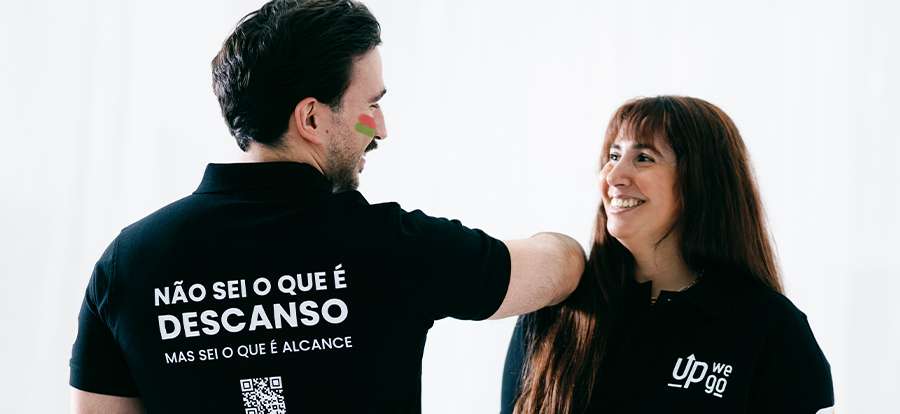
Every four years, a curious phenomenon occurs: people who have never watched a full football match become experts on tactics, referees, and team selections. Balconies fill with flags, Instagram feeds are full of armchair coaches, and brands go into championship mode! So, if you’re thinking of using the 2026 World Cup to increase your brand’s visibility, here are some tips to get you started with the right strategy.
The World Cup is not just a sporting event. It’s one of the biggest moments of collective attention on the planet. And when millions of people are focused on the same issue, brands have a unique opportunity to communicate, generate engagement, and gain visibility.
But be warned: there’s a very short distance between a memorable campaign and a communication own goal.
Why is the World Cup an opportunity for brands?
The answer is simple: attention. Every day, brands from a wide variety of sectors and industries compete for seconds of attention on social media, search engines, and even consumers’ email inboxes. During the World Cup, there is a common theme that unites audiences of different ages, interests, and nationalities.
People are more inclined to interact, comment, share content, and participate in campaigns related to the event.
For brands, this means:
- more opportunities for organic reach;
- greater engagement on social media;
- possibility of creating themed campaigns;
- More opportunities to generate conversation.
As in any championship, it’s not enough to just step onto the field; you need a strategy. Going even further, you need to be careful: a misstep in communication can be a red card for the brand’s reputation.
What to do during the 2026 World Cup
1. Adapt communication without losing identity.
There’s no need to turn an accounting firm into a football meme page. The best campaigns are those that manage to leverage the context without losing the brand’s personality.
A physiotherapy clinic could talk about stress management during games. A restaurant could create themed menus. A real estate agency could associate the concept of the “perfect play” with home buying. The secret lies in finding a natural point of connection, just as we did for the Hilton Boeira Garden Hotel:
2. Create content in real time.
The best moments of the World Cup are unpredictable: a goal in the 90th minute, an impossible save, or an unexpected surprise can generate thousands of interactions in just a few minutes. Brands that manage to react quickly often achieve results far superior to those with content planned weeks in advance.
Of course, this requires preparation, agility, and someone paying attention to the game. This is an excellent excuse to watch football during working hours – just a suggestion!
3. Invest in hobbies and activities
The World Cup is perfect for creating simple and fun activities, such as:
- guessing results;
- Choose the best player in the game;
- Vote for the goal of the matchday;
- thematic challenges.
People love to participate when they feel like they’re part of the conversation, and engagement skyrockets.
4. Invest in paid advertising.
During major events, competition for attention intensifies. A creative campaign coupled with paid advertising can help amplify results and ensure the message reaches the right audience.
It’s also an excellent time to work on remarketing and reinforce campaigns that are already underway.
5. Take advantage of team spirit.
People feel excitement, celebrate, suffer, and create memories – that’s emotion! Brands can leverage this spirit to humanize their communication, show behind-the-scenes glimpses, highlight internal teams, and create more relatable content. At Up We Go, we never tire of saying: people connect with people.
What NOT to do
1. Pretending to understand football
Nothing is more dangerous than trying to appear expert on a subject you don’t master. Fans quickly identify errors, misused references, or forced comments. If it’s not part of the brand identity, keep the communication simple.
2. Doing everything at the last minute
Every year the same thing happens: two days before the start of the championship, someone says: “While we’re at it, we should do something for the World Cup.”
The result? Overburdened marketing teams, rushed (and sometimes flawed!) campaigns, content lacking strategy, and missed opportunities.
3. Publishing just because everyone else is publishing.
Not all games are communication opportunities, just as not all goals justify a post. Sometimes, the best strategic decision is simply not to publish.
However, there is a strategy that can be crucial: not posting doesn’t mean you have to stay out of the conversation. Take advantage of relevant posts from other brands (that make sense for your business) and comment publicly.
4. Forgetting business objectives
The World Cup is fun, but it also ends. The goal isn’t just to get likes, it’s to generate awareness, leads, sales, or strengthen your positioning in the long term.
If a campaign isn’t aligned with a concrete objective, it may end up being just entertainment with no return.
The importance of preparing for the post-World Cup period.
Many brands make a serious mistake – they create brilliant campaigns during the event and disappear when it ends. The real value lies in leveraging the attention gained to continue communicating, for example:
- Those who participated in a contest may be entered into an email marketing campaign.
- Those who visited the website may be targeted by remarketing.
- Those who became familiar with the brand during the World Cup may become customers later.
The championship is over. The strategy isn’t.
The final whistle.
The World Cup offers an extraordinary opportunity for brands to increase visibility, create engagement, and generate results. However, just like in football, winning doesn’t depend solely on talent. It depends on preparation, strategy, and the ability to execute at the right moment.
So, before posting that meme that seems like a brilliant idea at two in the morning, ask yourself a simple question : “Does this move help my team score a goal, or am I about to score an own goal?”
If the answer isn’t clear, perhaps it would be best to ask the marketing department for a VAR review.
And if you need a team to take the field with you, you know where to find us.


